

Built for mild conditions
Most bioprocesses rely on a few well-studied organisms in sterile, temperature-controlled reactors. Real industrial streams are acidic, saline, hot, cold or laden with metals.
Engineered living systems for materials and resource recovery
Cooling, separating and recovering materials consume a vast share of the world's energy and water, and still leave value behind as waste. BioScentix engineers biological functions, inspired by life at Earth's extremes, to do that work with less.
Cooling, separating and recovering materials consume a large share of the world's energy and water, and what they fail to recover becomes waste.
Data centres, electrification and the energy transition are pushing that demand higher, on processes never designed for efficiency or reuse.
of the world's energy goes on separating chemicals: distillation, evaporation and drying.
Sholl & Lively, Nature, 2016of global electricity runs air conditioners and fans, and that demand could triple by 2050.
IEA, The Future of Cooling, 2018of the 62 million tonnes of e-waste generated in 2022 was documented as collected and recycled.
Global E-waste Monitor, 2024of plastic waste is recycled. Most is burned, landfilled or lost to the environment.
OECD Global Plastics Outlook, 2022Biotech has transformed medicines, enzymes and food, but it works in mild, sterile reactors fed on clean sugar, and it makes products to sell. Industry's biggest energy and waste losses happen in hot, cold, acidic and dirty streams, inside processes that need a better function, not a new product. These are the three limits we start from.
Most bioprocesses rely on a few well-studied organisms in sterile, temperature-controlled reactors. Real industrial streams are acidic, saline, hot, cold or laden with metals.
Conventional fermentation runs on refined sugars. Waste streams, brines and leachates are variable, dilute and full of compounds that inhibit growth.
Biotech usually makes a molecule to sell. Few biological systems are designed to do a job inside an existing plant: capture, separate, control or convert.
A generalised comparison. Individual technologies vary.
Life thrives in polar ice, boiling springs, salt lakes and acidic, metal-rich waters. Organisms there control freezing, concentrate what they need and bind metals, using functions refined over billions of years.
We identify those functions, engineer them for defined industrial conditions and test them inside the processes that matter, against the technologies industry already uses.
Study how extremophiles cope with cold, heat, salinity, acidity and scarcity, and which of their functions could do industrial work.
Use synthetic biology and materials science to turn a biological function into a robust, controllable component.
Measure performance, energy balance and economics against incumbent technology, with industrial partners and real streams.
Every programme is powered by BioScentix: polyextremophilic microalgae, which tolerate several extremes at once, engineered with a modular genetic toolkit so each function can be built, swapped and tuned for its process. Select a programme to see the problem, today's approaches and our direction.
 NICE by BioScentix / Engineered ice and cold bioprocesses
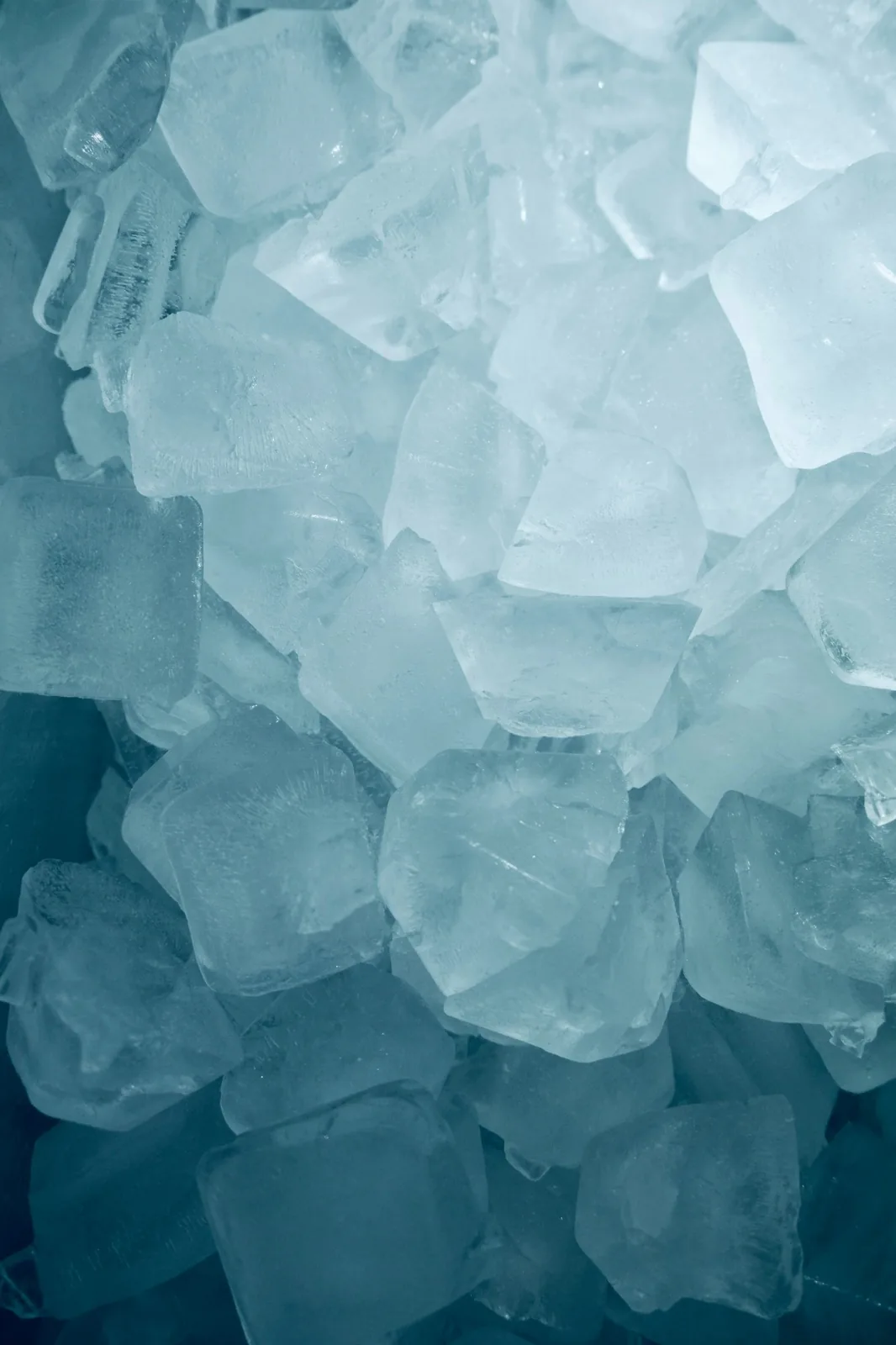
Ice storage lets cold stores and data centres make their cold at night, on cheaper power, and use it during the day. It only works well if the stored water freezes on cue.
 PRECIOUS by BioScentix / Programmable recovery of critical elements
Electronics, batteries and mining residues hold copper, cobalt, rare earths and precious metals. Recovering them cleanly and selectively is one of the bottlenecks of the energy transition.
 PATINA by BioScentix / Living interfaces for redox recovery
Coatings protect, filter and catalyse across industry. Many still depend on petrochemical binders, solvents or metal-intensive processes.
 MOSAIC by BioScentix / Specialty chemicals and materials
An earlier-stage research direction, not yet a commercial offering.
BioScentix is an engineering biology company working where biological systems, materials and industrial processes meet.
Every programme is benchmarked against the technology industry already uses, and every result is reported as demonstrated, in development or proposed. Programmes connect into a wider platform only where the chemistry, the economics and the evidence support it.
We are building partnerships across industry, research and investment to take engineered biology into industrial processing.
Large energy, water and materials markets, built step by step on evidence.
Test our technology on your cooling, separation or recovery process.
Extremophile biology, synthetic biology and process engineering.




 NICE


